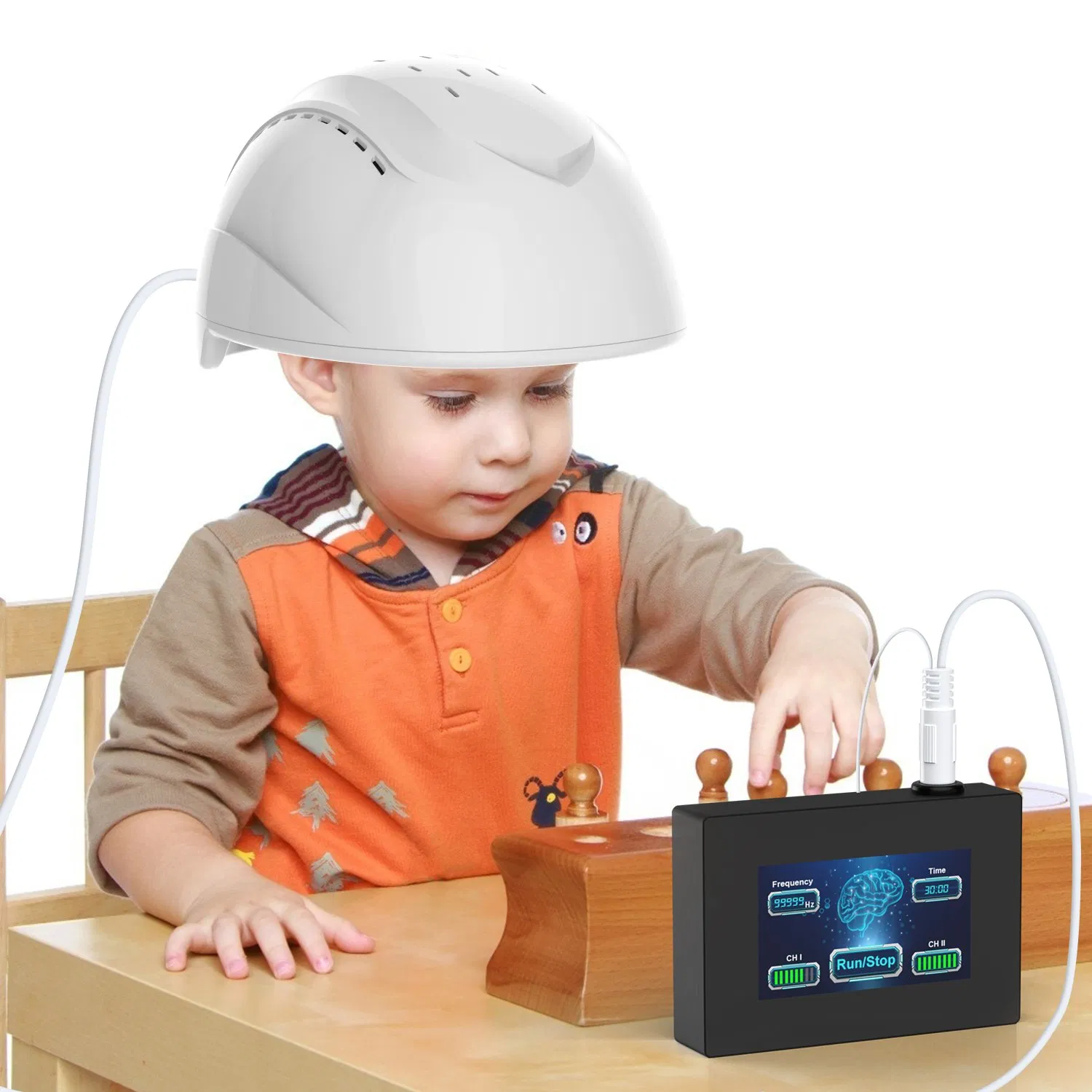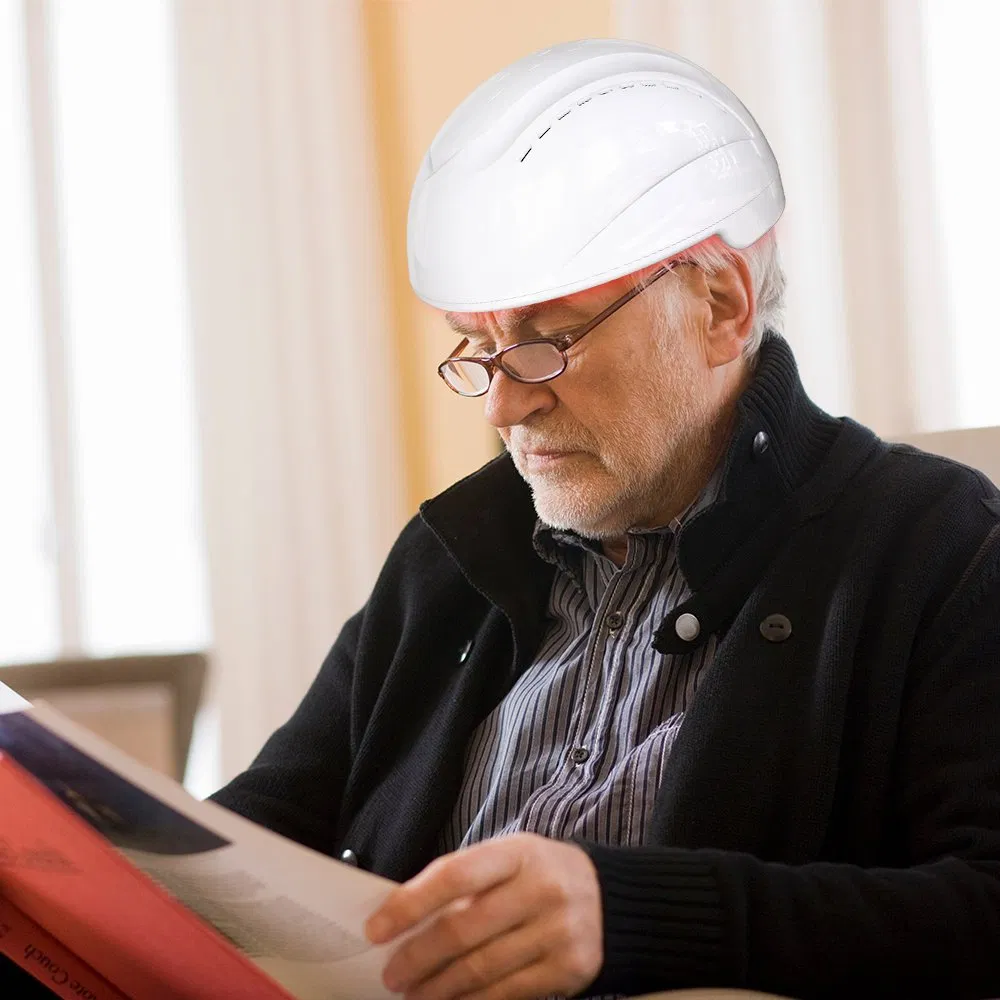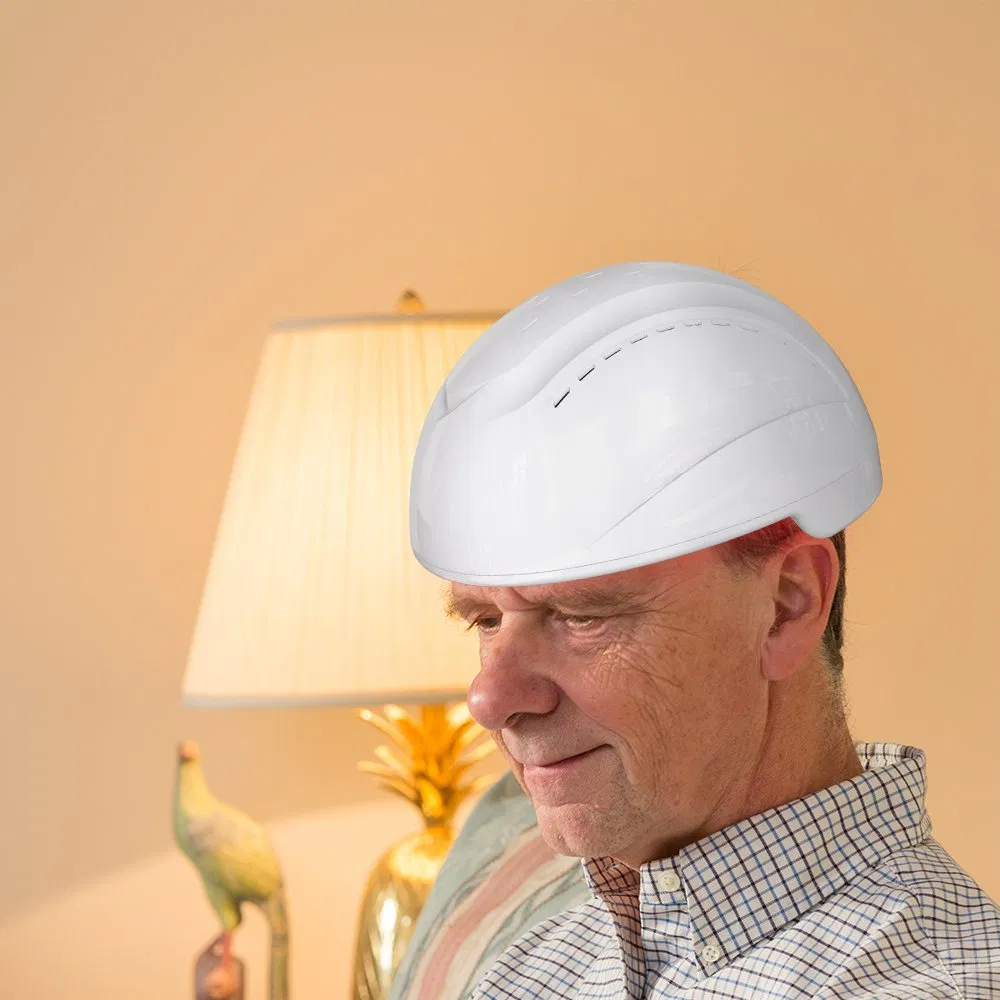
What is PBM Photobiomodulation?
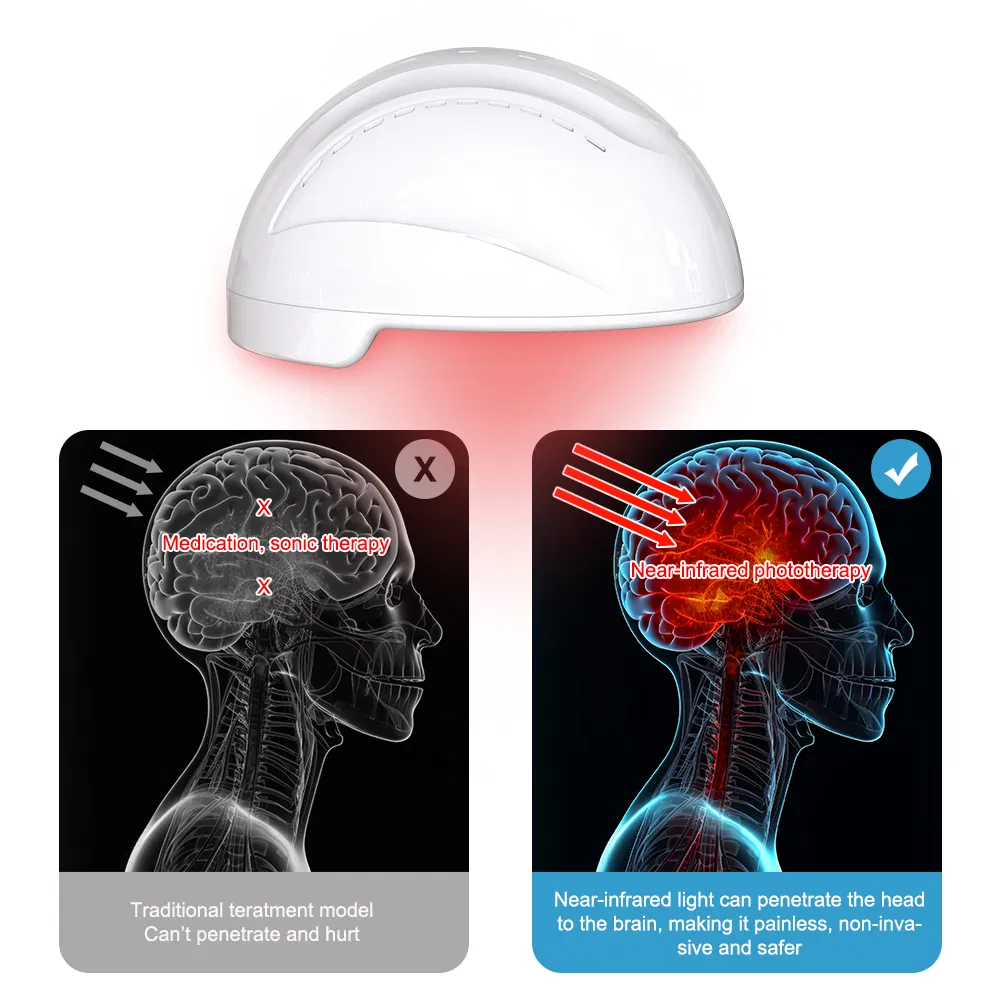
Photobiomodulation (PBM) describes the use of red or near-infrared light to stimulate, heal, regenerate, and protect tissue that has either been injured, is degenerating, or else is at risk of dying. In this transcranial PBM (tPBM) application, near-infrared (NIR) light is often applied to the forehead because of the better penetration.
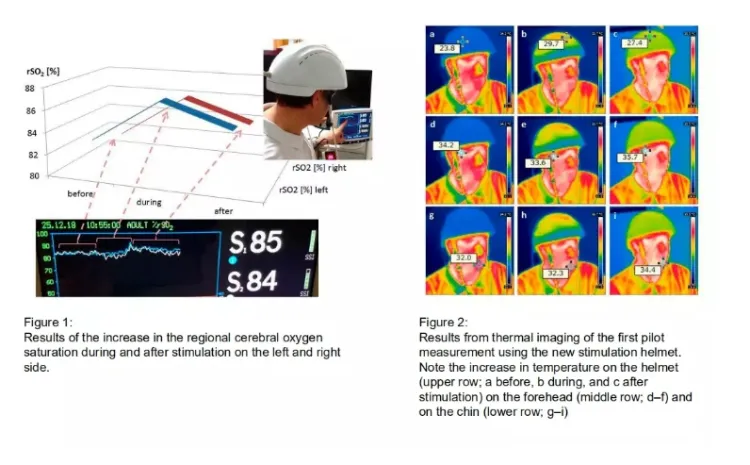
The 810 nm wavelength has the ability to extend through the skull to the brain, promoting recovery from traumatic brain injury.
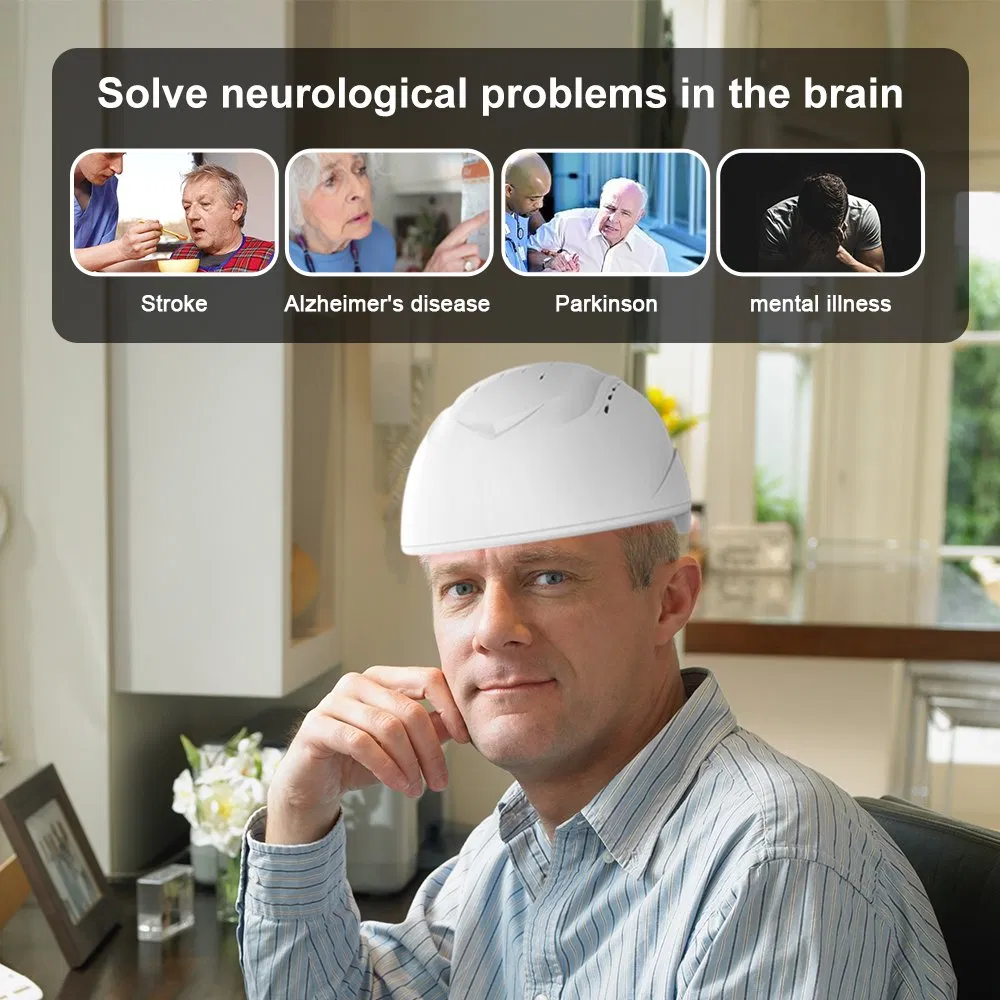
Helps patients with severe depression, anxiety, and neurodegenerative diseases.
NIR light is absorbed by cytochrome C oxidase in mitochondria, increasing ATP production.
Promotes increased blood flow, energy, neuroprotection and reduces inflammation.
Frequently Asked Questions
1. How often should I use the helmet?
For chronic conditions, 3-6 months is recommended. Use 4-6 times a week, starting with 12 minutes at 25% intensity and gradually increasing to 24-30 minutes at 75-100% intensity.
2. Does the light actually penetrate the brain?
Yes, research confirms that 810nm near-infrared light can penetrate the skull to reach nerve cells and stimulate mitochondria via Cytochrome C Oxidase.
3. Why are some LEDs red if it is an infrared helmet?
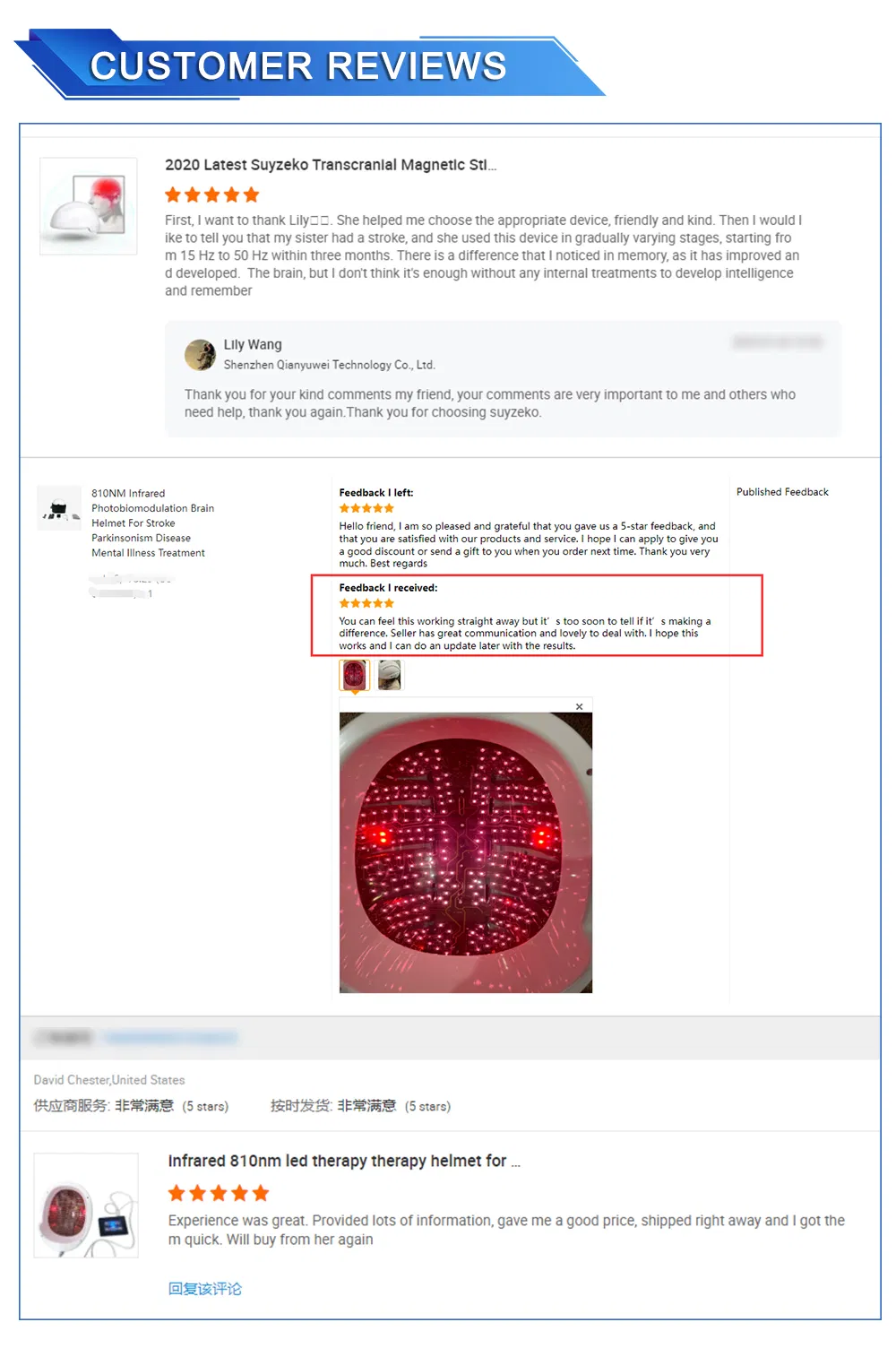
The 256 NIR LEDs (810nm) are invisible to the eye. We include 4 red LEDs solely as indicators to show that the device is powered on and working.
4. What are the timer options?
The device features adjustable settings for 6, 12, 18, 24, or 30 minutes per session.
5. What frequency does the device operate at?
The button model operates at a fixed 40Hz, while the touch screen model offers an adjustable range from 1 to 20,000 Hz.
6. What conditions is this helmet used for?
It is indicated for traumatic events (stroke, TBI), degenerative diseases (Dementia, Parkinson's), and psychiatric disorders (Depression, Anxiety).
 Met Health