Gut health plays a crucial role in determining the strength of our immune system. According to Dr. Alessio Fasano, a leading expert in gut microbiome research, "The gut is our first line of defense against pathogens." This emphasizes the importance of understanding why gut health is important for immunity.
The human gut houses trillions of microorganisms. These microbes help train our immune system. When gut health is compromised, the balance of these microorganisms is disrupted. This can lead to increased inflammation and a weakened immune response. Many people overlook the link between digestion and immunity. However, maintaining a healthy gut can significantly enhance our body's ability to fight off infections.
It's essential to recognize that good gut health comes from a balanced diet rich in fiber, probiotics, and prebiotics. Yet, modern lifestyles often disrupt this balance. Stress, poor diet, and antibiotics can harm gut flora. Addressing these factors is key. While the link between gut health and immunity may be complex, it remains undeniably significant. Understanding this relationship is a step toward better overall health.
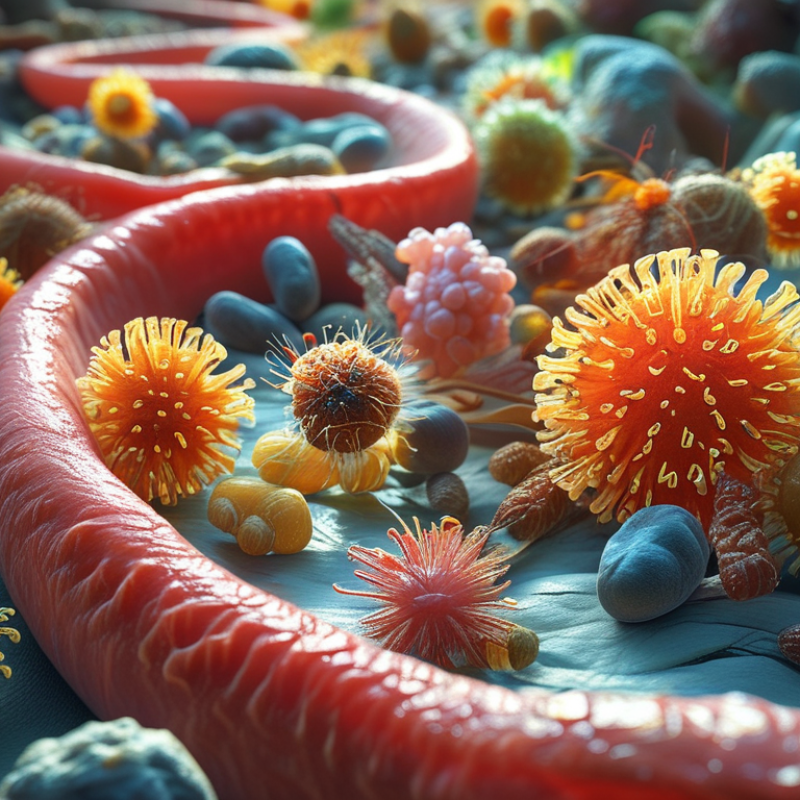
Understanding the Gut-Immune System Connection
The gut-immune system connection is vital for overall health. Research shows that about 70% of our immune system resides in the gut. This complex ecosystem of bacteria and other microorganisms plays a crucial role in how our body responds to infections and inflammation. A balanced gut microbiome can enhance immune function, while an imbalanced one may increase susceptibility to illnesses.
Maintaining gut health requires mindful choices. A diet rich in fiber, probiotics, and antioxidants supports beneficial bacteria growth. Incorporate foods like yogurt, sauerkraut, and leafy greens. Regular exercise also contributes to a balanced microbiome. Aim for at least 30 minutes of physical activity most days. Stress management techniques such as meditation or deep-breathing exercises may help maintain gut harmony.
Inadequate sleep or poor diet can disrupt gut health. This imbalance may lead to systemic inflammation, impacting immune response. Monitoring your sleep patterns and keeping a food diary can help identify potential issues. Consider consulting healthcare professionals for personalized advice, especially if you notice frequent illnesses or digestive issues.
The Role of Gut Microbiota in Immune Function
Gut microbiota play a crucial role in shaping our immune function. Research suggests that over 70% of the immune system is housed in the gut. This intricate ecosystem of trillions of bacteria influences the body’s ability to fend off pathogens. In fact, a study in the journal Nature found that prebiotics and probiotics can boost the production of specific antibodies. These antibodies are essential in defending against infections.
Moreover, diverse gut microbiota is linked to enhanced immune responses. Individuals with a varied microbiome tend to have better health outcomes and lower rates of autoimmune diseases. The World Health Organization highlights that gut health impacts overall well-being, underscoring the connection between a balanced microbiome and strong immunity. However, the modern diet and lifestyle often disrupt this balance. High sugar intake and antibiotics can lead to a decrease in microbial diversity, which is concerning for immune health.
Engaging in activities that promote gut health is essential. A fiber-rich diet, regular exercise, and reduced stress levels can enhance microbial diversity. Notably, emerging research links gut health with mental well-being, reinforcing the gut-brain connection. While the benefits of a healthy gut are clear, many still overlook it, risking their immune resilience.
Impact of Diet on Gut Health and Immunity
The connection between diet and gut health is profound. Gut health plays a critical role in immunity. A balanced diet, rich in fiber, promotes beneficial bacteria in the gut. These bacteria help produce short-chain fatty acids, essential for a robust immune response. Foods like fruits, vegetables, and whole grains support this balance.
Conversely, a diet high in sugar and processed foods can disrupt gut flora. This leads to inflammation and weakened immunity. Many people overlook the importance of fermented foods. Options like yogurt, kefir, and sauerkraut can replenish good bacteria. Regular consumption can create a healthier gut environment.
However, achieving optimal gut health is challenging. Not everyone reacts the same way to foods. Individual needs vary, making it crucial to listen to one's own body. Experimenting with different diets can reveal personal triggers and strengths. Understanding the nuances of your gut is a journey worth taking.
Common Gut Issues and Their Effects on Immunity
Gut health plays a crucial role in maintaining immunity. When gut issues arise, they can significantly impact the immune system. Common problems include dysbiosis and leaky gut syndrome. Dysbiosis occurs when there is an imbalance of gut bacteria. This imbalance may lead to inflammation, which can weaken immune responses.
Leaky gut syndrome allows toxins to enter the bloodstream. This can trigger immune overreactions, leading to chronic inflammation. Symptoms of leaky gut may include fatigue and digestive issues. Chronic stress and poor diet often contribute to these gut problems.
Supporting gut health requires mindful choices. Incorporating fiber-rich foods, like fruits and vegetables, can help restore balance. Probiotics may enhance beneficial bacteria in the gut. Reflecting on dietary habits can reveal areas for improvement. Addressing gut health is essential for enhancing overall immunity.
Strategies for Improving Gut Health for Enhanced Immunity
Gut health plays a crucial role in supporting your immune system. A balanced gut microbiome can enhance your body's defense mechanisms against pathogens. Probiotics are live bacteria that can improve gut flora. Incorporating fermented foods like yogurt and kimchi into your diet can be a good start. Aim to include a variety of fiber-rich foods, which feed beneficial gut bacteria.
Hydration is essential for gut health. Drinking enough water helps maintain the mucosal lining of the intestines. Consider herbal teas, which can also provide additional benefits for digestion. Regular physical activity supports a healthy gut microbiome as well. Even short walks can boost your overall gut health.
Pay attention to your stress levels. High stress can negatively impact gut balance. Practicing mindfulness or yoga might offer some relief. Reflect on your eating habits too. Mindless snacking can lead to gut issues. Tracking meals can help identify problem foods and improve gut function over time.
Why is Gut Health Essential for Strong Immunity? - Strategies for Improving Gut Health for Enhanced Immunity
| Strategy |
Description |
Benefits |
| Probiotic Intake |
Consumption of foods rich in live bacteria, such as yogurt, kefir, and sauerkraut. |
Enhances gut flora diversity, promotes better digestion, and strengthens immune responses. |
| Prebiotic Foods |
Incorporating foods like garlic, onions, and bananas that feed probiotics. |
Supports the growth of beneficial gut bacteria, improving overall gut health. |
| Balanced Diet |
Eating a variety of fruits, vegetables, whole grains, and lean proteins. |
Provides essential nutrients that support immune function and gut integrity. |
| Hydration |
Staying adequately hydrated throughout the day. |
Maintains gut lining health and aids in digestion and nutrient absorption. |
| Regular Exercise |
Incorporating physical activity into daily routines. |
Boosts circulation, reduces stress, and supports a healthy gut microbiome. |
FAQS
: About 70% of our immune system is located in the gut. It influences how we respond to infections.
A diet rich in fiber and probiotics helps. Foods like yogurt and leafy greens are beneficial.
Yes, regular physical activity, even for 30 minutes, promotes a balanced microbiome and improves immune function.
Inadequate sleep can disrupt gut health and lead to systemic inflammation. Monitor your sleep patterns for issues.
High stress levels can negatively impact gut balance. Practices like meditation may help maintain harmony.
Gut microbiota are crucial for immune function. A diverse microbiome promotes better health and protects against illnesses.
Avoid high sugar intake and unnecessary antibiotics. They can decrease microbial diversity, harming immune health.
Staying hydrated helps maintain the intestines' mucosal lining. Herbal teas can also benefit digestion.
Consider your eating habits. Mindless snacking can lead to gut issues. Keeping a food diary may help identify problems.
A healthy gut promotes overall well-being and can enhance mental health. Many overlook its importance, risking their immunity.
Conclusion
Gut health is essential for strong immunity, as it plays a crucial role in the intricate relationship between the gut and the immune system. The gut microbiota, consisting of trillions of microorganisms, significantly influences immune responses by contributing to the development and regulation of immune cells. A balanced microbiome helps protect against pathogens and supports the production of antibodies, highlighting why gut health is important for immunity.
Diet also plays a pivotal role in maintaining gut health, with certain foods promoting beneficial bacteria while others may lead to dysbiosis. Common gut issues, such as inflammation or imbalance in gut flora, can weaken the immune system, making individuals more susceptible to infections. By adopting strategies to improve gut health—such as a dietary focus on fiber-rich foods, probiotics, and prebiotics—individuals can enhance their immune function and overall well-being.

 Met Health