How Does Gut Health Impact Your Overall Wellbeing?

Time:2026-08-12 Author:Amelia
0%

Gut health plays a crucial role in our overall wellbeing. Recent studies from the World Health Organization indicate that about 70% of our immune system is housed in the gut. This connection raises an important question: how does gut health affect overall health? Research shows that a balanced gut microbiome can help reduce the risk of chronic diseases, including obesity and diabetes.

Moreover, a report by the American Psychological Association highlights that gut health influences mental health. An estimated 90% of serotonin, a key neurotransmitter affecting mood, is produced in the gut. These statistics underscore the complexity of our digestive system's impact on our minds and bodies. Despite this knowledge, many people neglect gut health, leading to imbalances and potential health issues.

Maintaining gut health requires intentional effort. Dietary choices and lifestyle habits significantly contribute to gut flora diversity. However, many individuals struggle to prioritize these changes. Acknowledging the importance of gut health is the first step toward improving overall health and wellbeing. Understanding these connections can inspire a proactive approach to health management.
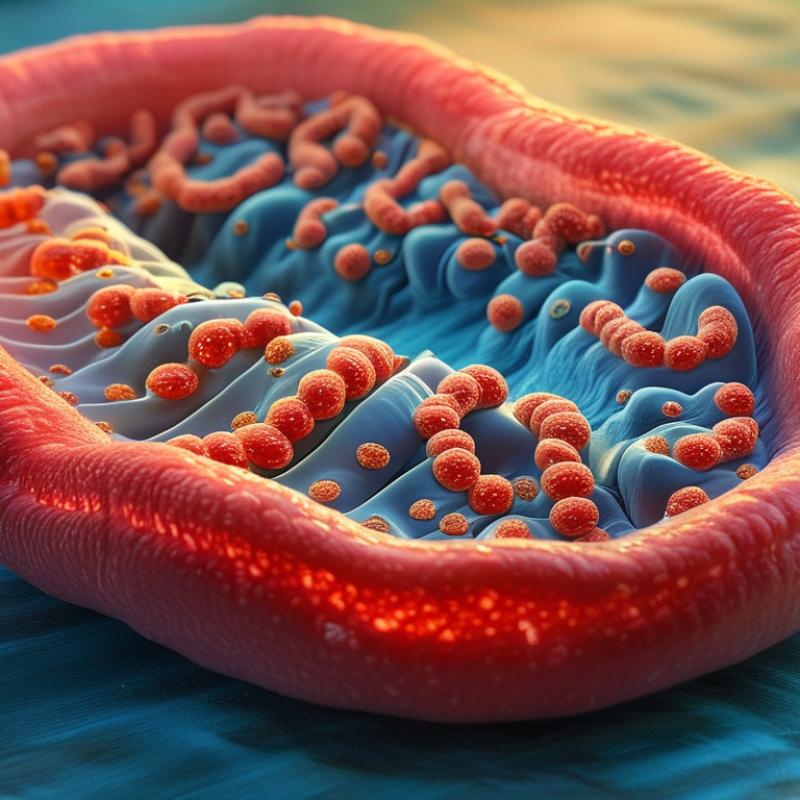
How Does Gut Health Impact Your Overall Wellbeing?

Understanding Gut Health: Definition and Importance

Gut health is a crucial aspect of overall wellbeing. It refers to the balance of microorganisms in the digestive tract. This balance is vital for proper digestion, nutrient absorption, and immune function. An unhealthy gut can lead to various issues, including inflammation and emotional distress. Thus, understanding gut health is essential for maintaining physical and mental health.

Diet plays a significant role in gut health. Consuming a variety of fiber-rich foods can promote beneficial bacteria. Fermented foods, like yogurt and kimchi, are also beneficial. However, processed foods and excessive sugar can harm gut balance. It’s vital to be mindful of what we eat.

**Tips:** Incorporate more colorful fruits and vegetables into meals. Choose whole grains over refined options. Listen to your body; it often signals when something is wrong. If you experience bloating or fatigue, consider consulting a healthcare professional for personalized advice.

Finding balance requires experimenting with different foods. Everyone's gut is unique. What works for one person may not work for another. It's important to reflect on your own dietary choices and their effects on how you feel. Understanding your gut health can lead to improved overall wellbeing.

How Does Gut Health Impact Your Overall Wellbeing?

Dimension Description Impact on Wellbeing
Microbiome Diversity Variety of microorganisms in the gut Higher diversity linked to better digestive health
Gut Barrier Function Integrity of the intestinal lining A strong barrier prevents leaky gut syndrome
Gut-brain Axis Communication between gut and brain Influences mood and cognitive function
Nutrient Absorption Efficiency in absorbing vitamins and minerals Poor absorption can lead to deficiencies
Inflammation Presence of inflammatory markers in the gut Chronic inflammation can affect overall health

The Connection Between Gut Microbiome and Mental Health

The gut microbiome plays a crucial role in our mental health. Research indicates that the trillions of bacteria in our intestines can influence our mood and emotional wellbeing. These microorganisms produce neurotransmitters, such as serotonin, which is essential for regulating mood. A healthy gut can lead to a happier mind.

Imbalances in gut bacteria might contribute to anxiety and depression. Studies show that people with gastrointestinal issues often experience higher rates of mental health disorders. This connection reminds us that we must care for our gut. Eating a diverse diet can help maintain a balanced microbiome. Foods rich in fiber and probiotics, like yogurt or fermented vegetables, support gut health.

However, it's not always straightforward. Stress and poor diet can disrupt gut balance. Knowledge about gut health is growing, but personal experiences vary. Recognizing the link between gut health and mental wellness can encourage changes. It invites us to reflect on our eating habits and overall lifestyle choices. Each small change can positively impact our mood and general wellbeing.

How Gut Health Influences Immune Function and Inflammation

Gut health plays a crucial role in our immune function and inflammation levels. A balanced gut microbiome fosters good bacteria, aiding our immune system. When the gut is healthy, it helps protect our body from harmful invaders. However, an imbalance can lead to chronic inflammation, weakening our defenses.

Probiotics are essential. They enhance gut flora and may reduce inflammation. Incorporating yogurt or fermented foods can nourish your gut. Prebiotics, like garlic and onions, also help. They serve as food for beneficial bacteria.

Stay mindful of your diet. Processed foods can disrupt gut balance. They often promote the growth of harmful bacteria. Consider tracking your meals to identify any negative impact on your gut health. Regularly check in with your body. Notice how certain foods make you feel. This awareness is vital for better gut health and overall wellbeing.

Impact of Gut Health on Immune Function and Inflammation

Dietary Factors That Promote a Healthy Gut

Gut health plays a crucial role in overall wellbeing. The gut provides a barrier against toxins and harmful bacteria. A balanced diet is key to maintaining this health. Fiber-rich foods like vegetables, fruits, and whole grains help nourish beneficial gut bacteria. A diverse range of foods can also enhance microbial diversity in your gut, leading to better digestion and immune function.

Fermented foods are beneficial too. Yogurt, kefir, and sauerkraut contain live probiotics. These can help improve gut flora and promote digestive balance. However, some people may not tolerate these foods well. Taking time to learn what works for your body is essential. Small adjustments in your diet can lead to significant changes in gut health.

It's important to stay mindful of processed and sugary foods. They can disrupt gut flora balance and lead to discomfort. Drinking plenty of water aids digestion, too. Overall, paying attention to how different foods make you feel can refine your dietary choices over time. Listening to your body is a step towards improving gut health.

Impact of Gut Health on Digestive Disorders and Overall Wellbeing

Gut health plays a crucial role in digestive disorders and overall wellbeing. An imbalance in gut bacteria can lead to issues like bloating, constipation, or diarrhea. These symptoms often result in discomfort and impact daily life. People may notice irritability or fatigue that stems from poor gut health. The gut-brain connection is real, influencing mood and energy levels.

Eating a balanced diet rich in fiber promotes healthy digestion. Foods like fruits, vegetables, and whole grains support beneficial bacteria. However, not everyone finds dietary changes easy. Some struggle with cravings or find it challenging to maintain a healthy eating routine. This struggle can lead to feelings of failure or frustration.

Moreover, stress can negatively affect gut health. A busy lifestyle may cause tension, impacting digestion. Recognizing how these factors intertwine is essential. Simple adjustments, like mindful eating or reducing stress, can create positive change. However, it’s important to reflect on personal habits and their influence on gut health. Small steps can lead to significant improvements in wellbeing.

FAQS

: What is gut health?

: Gut health refers to the balance of microorganisms in the digestive tract, essential for digestion and immune function.

How does diet affect gut health?

A varied diet rich in fiber promotes beneficial bacteria, while processed foods and sugar can harm gut balance.

What foods are good for gut health?

Colorful fruits, vegetables, whole grains, and fermented foods like yogurt and kimchi support a healthy gut.

How does gut health relate to mental health?

The gut microbiome influences mood by producing neurotransmitters, making a healthy gut crucial for mental wellbeing.

Can an unhealthy gut lead to emotional distress?

Yes, imbalances in gut bacteria can contribute to anxiety and depression, highlighting the importance of gut care.

How can I find balance in my gut health?

Experimenting with different foods is key; everyone’s gut is unique, and personal experiences vary.

What should I do if I experience bloating?

If you have bloating or fatigue, listen to your body and consider seeking personalized advice from a healthcare professional.

Why should I reflect on my dietary choices?

Reflecting helps you understand how food affects your gut and mood, prompting beneficial changes in your eating habits.

Is maintaining gut health straightforward?

It can be complex; stress and poor diet disrupt balance, and individual experiences with gut health vary greatly.

How can small changes impact my wellbeing?

Each small change in diet can positively affect gut health, mood, and overall wellness, fostering better mental health.

Conclusion

Gut health plays a crucial role in overall wellbeing, influencing various aspects of physical and mental health. Understanding gut health begins with its definition and significance, as the gut microbiome is intricately connected to mental health, affecting mood and cognitive function. Additionally, gut health significantly influences immune function and inflammation levels, highlighting its role in maintaining a balanced immune response and reducing chronic inflammation.

Dietary factors are vital in promoting a healthy gut, with certain foods enhancing the diversity and functionality of gut bacteria. Furthermore, a well-functioning gut is essential for preventing and managing digestive disorders, which can directly impact overall health. Thus, "how does gut health affect overall health" becomes evident as the state of our gut microbiome is intricately linked to mental clarity, immune resilience, and digestive efficiency. Prioritizing gut health is essential for achieving and maintaining optimal wellbeing.

Amelia

Amelia

Amelia is a seasoned marketing professional with a wealth of expertise in our company’s core offerings. With an unwavering passion for driving growth and innovation, she plays a pivotal role in shaping our marketing strategies and enhancing brand visibility. A key aspect of her responsibilities......